
Maintaining woodworking equipment is essential for achieving consistent production quality, minimizing downtime, and extending machine service life. A well-planned maintenance program not only improves operational reliability but also helps manufacturers reduce repair costs and maintain efficient production schedules.
We believe that maintaining a laser edgebander requires regular inspection, proper cleaning, correct operating practices, and preventive servicing rather than waiting for equipment problems to occur. By establishing a systematic maintenance strategy, manufacturers can keep their automatic edge banding machine operating efficiently while protecting long-term production performance.
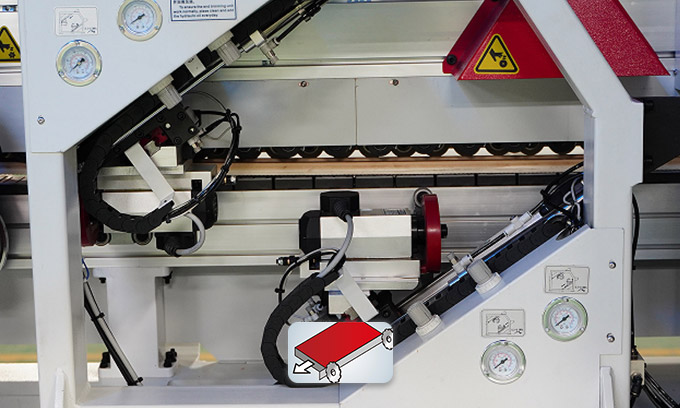
Create A Preventive Maintenance Schedule
Preventive maintenance is the foundation of reliable machine performance. Instead of repairing equipment only after failures occur, manufacturers should establish daily, weekly, monthly, and annual maintenance plans based on production intensity and operating conditions.
Daily inspections may include checking machine cleanliness, confirming that moving components operate normally, and ensuring there are no unusual sounds or vibrations during production. Weekly maintenance can focus on lubrication, cleaning internal components, and verifying mechanical adjustments.
Monthly inspections should include a more comprehensive evaluation of electrical systems, transmission components, and safety devices. Recording maintenance activities also helps operators identify recurring issues and develop more effective servicing plans over time.
A structured maintenance schedule reduces unexpected downtime while helping equipment maintain stable operating conditions throughout its service life.
Keep The Laser Processing Area Clean
Cleanliness plays a significant role in maintaining a laser edgebander. Dust, wood chips, adhesive residue, and fine particles naturally accumulate during production and may interfere with processing accuracy if they are not removed regularly.
Operators should clean the laser processing area according to the manufacturer’s recommendations while ensuring that optical components remain free from contamination. A clean working environment supports consistent laser performance and helps maintain high-quality edge bonding results.
Dust extraction systems should also be inspected regularly to ensure they effectively remove airborne particles generated during machining. Maintaining proper airflow improves both machine performance and workplace safety.
Routine cleaning should become part of daily production procedures rather than an occasional maintenance task.
Inspect Feeding And Conveying Systems Regularly
Smooth panel transportation is essential for producing consistent edge finishing results. Feeding systems, conveyor chains, guide rails, pressure rollers, and positioning devices should be inspected regularly to ensure stable material movement throughout the production process.
Any irregular movement, excessive vibration, or abnormal noise may indicate wear or improper adjustment. Identifying these issues early allows manufacturers to perform maintenance before production quality is affected.
Lubricating moving components according to maintenance guidelines also helps reduce mechanical wear while improving equipment reliability. However, manufacturers should always use recommended lubricants and avoid excessive application that may attract additional dust.
Consistent feeding performance contributes directly to production efficiency and finished product quality.
Maintain Pressure And Bonding Components
Pressure systems play an important role in achieving reliable bonding between edge materials and panel surfaces. Worn pressure rollers or incorrect pressure settings may reduce bonding quality and create inconsistent finished products.
Manufacturers should inspect pressure rollers for signs of wear, surface contamination, or improper movement. Cleaning contact surfaces regularly helps maintain consistent pressure throughout production.
Different panel materials and edge banding materials may require different pressure settings. Operators should verify machine parameters whenever production materials change to ensure proper bonding performance.
Routine inspection and adjustment of pressure systems help maintain edge quality while reducing unnecessary mechanical stress on machine components.
Check Trimming And Finishing Units Frequently
Trimming units experience continuous contact with edge materials during production, making them one of the most frequently serviced areas of an automatic edge banding machine.
Manufacturers should inspect trimming tools, scraping units, buffing devices, and corner finishing components for wear and alignment. Dull cutting tools may produce rough edges, increase material waste, and place additional loads on the machine.
Replacing worn tools before they fail completely helps maintain processing quality while preventing damage to related machine components.
Proper adjustment following blade replacement or material changes also contributes to more consistent finishing performance across different production batches.
Monitor Electrical And Control Systems
Modern woodworking equipment depends on electrical control systems to coordinate multiple processing functions. Regular inspection of electrical cabinets, wiring, sensors, switches, and control interfaces helps ensure safe and stable machine operation.
Operators should keep control panels clean and monitor display information for warning messages or abnormal operating conditions. Any unusual alarms should be investigated promptly rather than ignored during production.
Electrical maintenance should always be performed by qualified personnel following the manufacturer’s recommended procedures. Preventive inspection helps reduce unexpected failures while improving overall equipment reliability.
Well-maintained control systems also contribute to smoother machine operation and more consistent production performance.
Train Operators To Follow Correct Operating Procedures
Machine maintenance depends not only on mechanical servicing but also on daily operating practices. Proper operator training helps reduce unnecessary wear while improving production efficiency.
Operators should understand recommended startup procedures, machine adjustments, material loading methods, and shutdown processes. Following standardized operating procedures minimizes human error and helps protect precision machine components.
Keeping maintenance records, production logs, and adjustment histories also provides valuable information for future troubleshooting and preventive maintenance planning.
Well-trained operators play an important role in extending equipment service life while maintaining stable production quality.
Manage Spare Parts And Supplier Support
Preventive replacement of commonly worn components helps manufacturers avoid unexpected production interruptions. Keeping essential spare parts available allows maintenance teams to respond quickly when replacement becomes necessary.
Manufacturers should also maintain regular communication with equipment suppliers regarding maintenance recommendations, software updates, technical documentation, and replacement parts. Professional technical support can improve maintenance efficiency while helping operators solve equipment issues more effectively.
Working with an experienced supplier provides valuable guidance throughout the equipment lifecycle and contributes to more reliable long-term machine performance.
Maintain Long-Term Performance With HUAHUA CNC
At HUAHUA CNC, we understand that reliable production depends on both high-quality equipment and proper maintenance practices. Our HH-608RLKZ heavy-duty high-speed automatic edge banding machine is designed for demanding industrial woodworking applications, combining stable mechanical construction, efficient processing performance, and user-friendly operation. As a professional supplier of laser edgebander and automatic edge banding machine solutions, we continue to support customers with practical equipment, technical expertise, and long-term service. By combining preventive maintenance with dependable machinery, manufacturers can improve production efficiency, extend equipment lifespan, and achieve consistent edge finishing results for years to come.